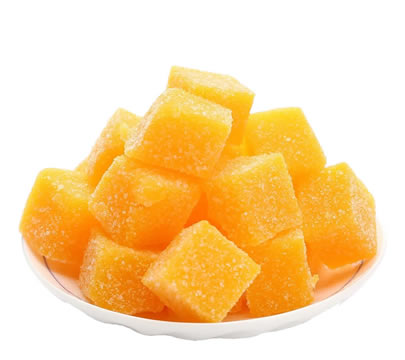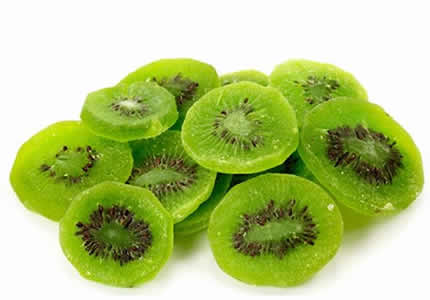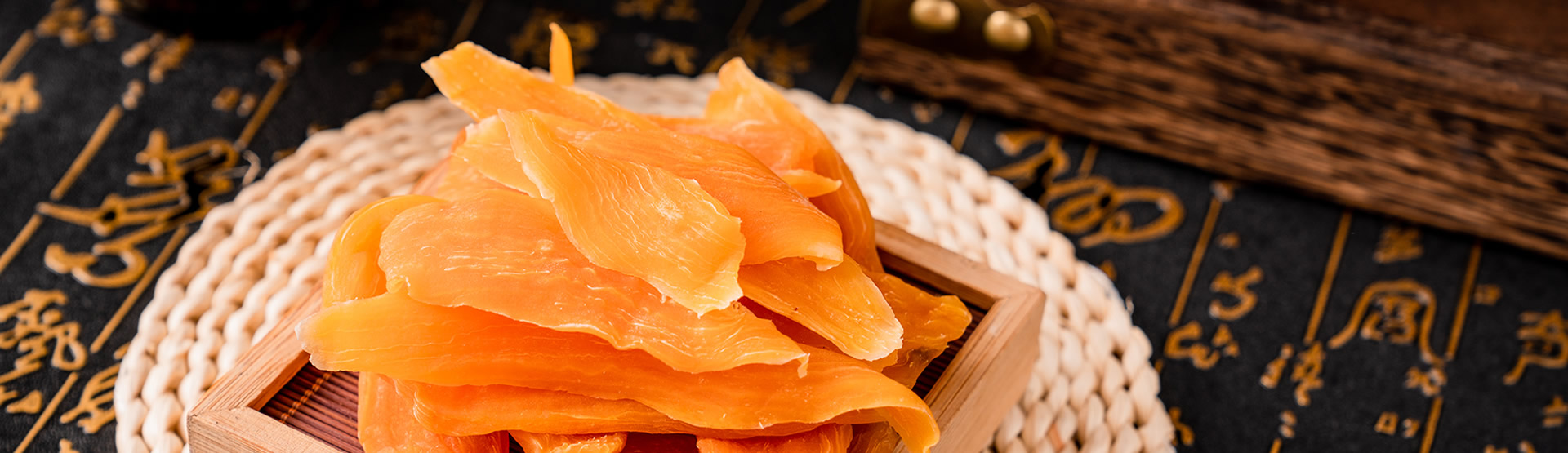
Dried passion fruit offers the distinctive aroma and sweet, tart flavor of fresh passion fruit in a convenient form. Its main nutritional components include carbohydrates, dietary fiber, and varying amounts of vitamins, minerals, and naturally occurring plant compounds. However, “dried passion fruit” can describe several different products, from freeze dried pulp with seeds to sweetened fruit pieces and fruit leather made with other ingredients. These differences affect the nutritional value of each serving. Removing water concentrates many of the components present in the fruit, but processing can also reduce sensitive nutrients, particularly vitamin C. Added sugar further changes the balance between calories and other nutrients. Understanding the main nutrients in dried passion fruit therefore starts with checking how the product is made, which parts of the fruit it contains, and whether sweeteners or other ingredients have been added.
Carbohydrates are usually the largest source of energy in dried passion fruit. They include the naturally occurring sugars found in the fresh fruit, such as glucose, fructose, and sucrose. As water is removed during drying, these sugars become more concentrated by weight, making a small amount of dried fruit more energy dense than the same weight of fresh fruit. Many commercial products also contain added sugar or syrup to soften passion fruit’s pronounced acidity and improve texture. This can substantially increase the sugar content, so unsweetened and sweetened products should not be treated as nutritionally equivalent. Dietary fiber is another valuable component, especially when the pulp and seeds are retained. Fiber supports normal bowel function, and some types contribute to feelings of fullness or provide material that intestinal bacteria can ferment. Products made mainly from strained juice generally contain less fiber than those made with more of the whole edible fruit. When comparing products, check the carbohydrate, total sugar, added sugar where listed, and fiber values for the same serving weight. A small portion can fit into a balanced diet, but its concentrated nature makes serving size relevant.
Vitamins contribute to the nutritional profile of dried passion fruit, although their amounts depend heavily on processing and storage. Fresh passion fruit supplies vitamin C, which supports normal immune function, contributes to collagen formation, and helps the body absorb iron from plant foods. Vitamin C is sensitive to heat and oxygen, so drying and subsequent storage can reduce its concentration. Freeze drying often preserves heat sensitive nutrients better than prolonged drying at higher temperatures, but it does not guarantee a particular vitamin C content in the finished product. Passion fruit also contains carotenoids, including compounds that the body can convert into vitamin A. Vitamin A supports normal vision, immune function, and the maintenance of body tissues. Carotenoid levels vary with the fruit variety, maturity, and processing conditions, and some losses can occur during drying and storage. Small amounts of certain B vitamins may also be present, but dried passion fruit should not automatically be considered a rich source. Nutrition labels or product testing provide a firmer basis for vitamin claims than assumptions based on fresh fruit composition.
Minerals are another part of dried passion fruit’s nutritional value. The fruit naturally contains potassium, along with smaller amounts of minerals such as magnesium, phosphorus, and iron. Potassium contributes to normal nerve and muscle function and helps maintain fluid balance. Magnesium participates in numerous enzyme reactions, while phosphorus is involved in bone structure and energy metabolism. Iron is needed to make hemoglobin, the protein that carries oxygen in red blood cells. Unlike vitamin C, minerals are not destroyed by ordinary drying temperatures, although preparation steps that remove parts of the fruit or discard liquid may affect how much remains. Their concentration per gram may increase as water is removed, but a typical small serving will not necessarily supply a large share of daily requirements. The iron in passion fruit is nonheme iron, which is generally absorbed less efficiently than iron from animal foods. Eating it alongside a reliable source of vitamin C can support absorption. Mineral content also depends on the proportion of actual fruit in the product: added sugar supplies energy without contributing comparable amounts of these minerals.
Seeds and other retained fruit components add further nutritional variety. Passion fruit seeds contain some fat and protein, with unsaturated fatty acids, including linoleic acid, present in the seed oil. Nevertheless, an ordinary serving of dried passion fruit is generally not a major protein source, and its fat content varies according to how many seeds it contains. The fruit also provides plant compounds such as polyphenols and carotenoids, which are studied for their antioxidant activity. Their presence does not establish that a dried fruit product prevents disease, and amounts can change during processing. For everyday eating, the most useful approach is to choose a product with a clear ingredient list, compare fiber and sugar content, and use the stated serving size when assessing calories and nutrients. Unsweetened products that retain pulp and seeds may be a suitable choice for people seeking fruit flavor and fiber without added sugar. Dried passion fruit can be stirred into plain yogurt, mixed into oatmeal, or paired with nuts, adding variety while allowing other foods to supply additional protein, healthy fats, and essential nutrients.
If you are intrested in dried dried fruits and would like to lean more, welcome to contact us @ email: sales@driedfruitsnack.com and WhatsApp: +8613991488775.