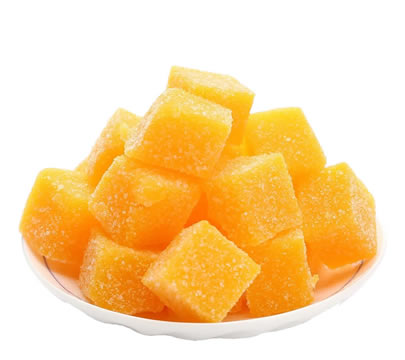



Dried oranges offer a concentrated citrus flavor and a convenient way to enjoy fruit beyond its fresh shelf life. They are commonly used as snacks, tea ingredients, baking additions, and garnishes, but their nutritional value depends on how they are prepared. Some products contain only dehydrated orange flesh, while others include the peel or are preserved with added sugar. The main nutritional components of dried oranges are carbohydrates, dietary fiber, variable amounts of vitamin C, small quantities of minerals, and naturally occurring plant compounds such as flavonoids and carotenoids. Drying removes much of the fruit’s water, making several nutrients more concentrated by weight, but it can also reduce heat-sensitive nutrients. Understanding these differences helps consumers choose dried orange products that suit their preferences and dietary needs without assuming that every product has the same nutritional profile.
Carbohydrates are the primary source of energy in dried oranges. Much of this carbohydrate comes from naturally occurring sugars, including fructose, glucose, and sucrose. Because dehydration removes water, an equal weight of dried orange generally contains more sugar and calories than fresh orange. This does not mean that drying creates sugar; rather, the sugars already present become concentrated in a smaller, lighter portion. Sweetened dried oranges and candied orange slices are different because manufacturers add sugar or syrup during processing, sometimes substantially increasing their sugar content. For this reason, checking both the ingredient list and the nutrition label is more useful than relying on descriptions such as “natural” or “fruit snack.” Dried oranges usually contain relatively little protein or fat unless they are combined with ingredients such as nuts, chocolate, or oil. A modest serving can contribute carbohydrate energy, but dried fruit should not be viewed as a nutritionally complete snack on its own. Pairing it with plain yogurt or unsalted nuts can provide additional protein or fat and create a more balanced snack.
Dietary fiber is another important component, especially when dried orange slices retain the segment membranes, white pith, or edible peel. Oranges contain both soluble and insoluble fiber, including pectin, a soluble fiber found in citrus tissues. Fiber supports normal bowel function, while some soluble fibers can help support healthy cholesterol levels as part of an overall balanced diet. However, the amount supplied by dried oranges varies considerably with the parts of the fruit included and the size of the serving. Products made mainly from orange flesh differ from whole slices containing substantial amounts of peel. Drying generally preserves fiber better than it preserves vitamin C, although processing can alter some of its properties. People who are not accustomed to eating fiber-rich foods may experience digestive discomfort if they suddenly consume large amounts of dried fruit or citrus peel. Choosing manageable portions and drinking enough fluids is sensible. If preparing whole dried orange slices at home, use fruit suitable for eating with the peel and wash it thoroughly before slicing.
Vitamin C is strongly associated with oranges, but its presence in dried oranges requires some qualification. This vitamin contributes to normal immune function, supports collagen formation, and improves the absorption of non-heme iron from plant foods. Nevertheless, vitamin C is sensitive to heat, oxygen, and prolonged storage. Hot-air drying can cause significant losses, depending on processing temperature and duration, while freeze-drying often retains more of it under suitable conditions. Even gently dried products can lose vitamin C during storage, particularly when exposed to moisture, air, or light. Dried oranges should therefore not automatically be considered equivalent to fresh oranges as a vitamin C source. They may also provide small amounts of folate and other B vitamins, although retention varies. Minerals are generally more stable during drying. Potassium is a notable mineral naturally present in oranges and contributes to normal nerve and muscle function. Smaller amounts of calcium and magnesium may also be present, with the peel affecting the overall composition. Whether a serving supplies a meaningful quantity of any nutrient should be judged from reliable product-specific nutrition information.
Beyond these familiar nutrients, dried oranges contain plant compounds that contribute to their color, flavor, and biological properties. Citrus flavonoids, including hesperidin, occur in orange tissues and are particularly associated with the peel and white pith. Carotenoids contribute to the orange coloration, and some have vitamin A activity. These substances have been studied for their antioxidant properties, but laboratory findings do not establish that eating dried oranges prevents or treats disease. Their amounts and stability also vary with the orange variety, processing method, and storage conditions. For everyday use, the most practical approach is to choose unsweetened dried oranges when limiting added sugar, compare serving sizes, and regard them as one part of a varied diet. If dried slices are used only to flavor water or tea and then discarded, much of their fiber remains uneaten, and the nutrients consumed will differ from those obtained by eating the slices. Overall, dried oranges can provide carbohydrates, fiber, minerals, and useful plant compounds, while their vitamin C content is less predictable. Product labels and preparation details are essential for understanding what a particular dried orange product actually offers.
If you are intrested in dried dried fruits and would like to lean more, welcome to contact us @ email: sales@driedfruitsnack.com and WhatsApp: +8613991488775.